
A rare presentation of gastric perforation after ingestion of a liquid nitrogen–infused cocktail is detailed in a case report published in Cureus. The report describes a 34-year-old man in Mexico who presented to the emergency department with sudden-onset, severe abdominal pain shortly after consuming an alcoholic beverage prepared with liquid nitrogen.
On arrival, he was diaphoretic and lethargic, with tachycardia, hypotension, tachypnea, and hypothermia. Physical examination revealed marked abdominal distension and generalized tenderness, with diffuse tympany on percussion – findings suggestive of free intraperitoneal gas.
Computed tomography of the abdomen confirmed a massive pneumoperitoneum consistent with hollow viscus perforation.
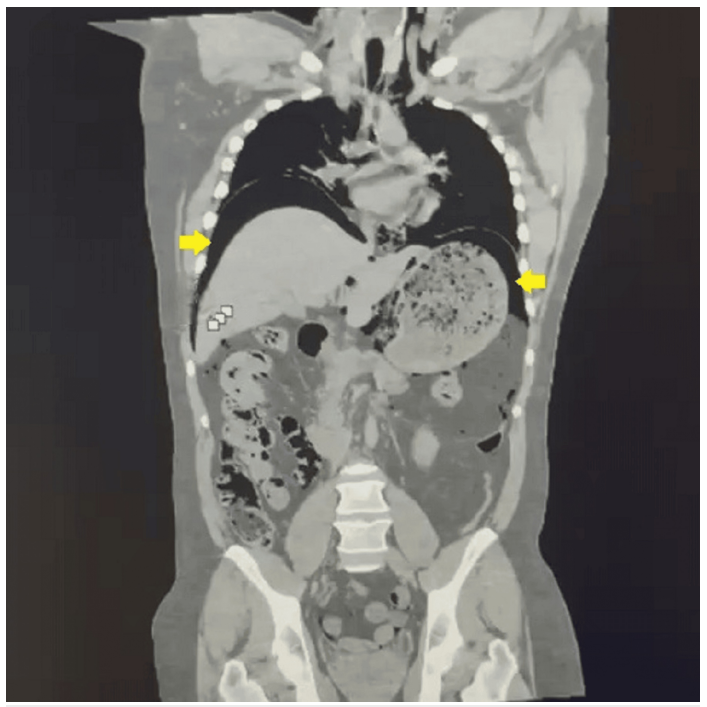
Emergency diagnostic laparoscopy revealed abundant free air in the abdominal cavity and a 3-cm perforation on the anterior surface of the stomach.
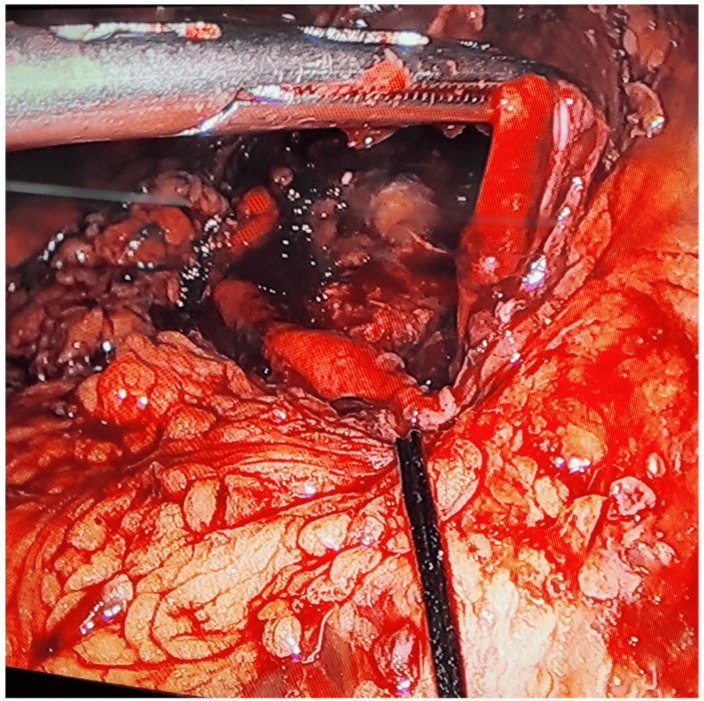
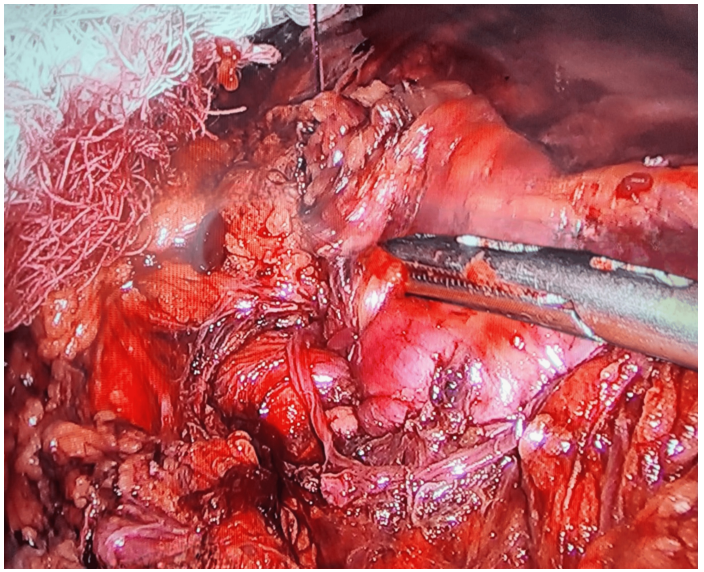
The defect was repaired laparoscopically using absorbable sutures and reinforced with an omental patch. The patient recovered without complications and was discharged on postoperative day 3 after tolerating a liquid diet.
Liquid nitrogen, commonly used in food preparation for rapid freezing and theatrical presentation, poses unique risks if ingested before complete evaporation. When liquid nitrogen warms and transitions to a gaseous state, it expands rapidly – by several hundredfold – creating the potential for barotrauma within the gastrointestinal tract. In this case, the authors attributed the gastric rupture primarily to rapid gas expansion rather than direct cryogenic injury.
Notably, despite exposure to an extremely cold substance, the patient did not sustain burns to the oral cavity, esophagus, or stomach lining. The authors suggest this may be explained by the Leidenfrost effect, in which rapid vaporization creates a transient insulating gas layer that limits direct thermal injury as the substance passes through warmer tissue.
Reported cases of gastric perforation related to liquid nitrogen ingestion remain rare, but all documented cases have required urgent surgical intervention. The authors emphasize that prompt recognition of atypical presentations and early imaging – particularly abdominal CT – are critical for timely diagnosis and management.
They conclude that greater awareness among healthcare professionals, food service providers, and the public is needed to prevent serious gastrointestinal injury related to cryogenic substances.
Disclosures can be found in the case report.
Source: Cureus
