

Recent statistics show some encouraging news in the fight against cardiovascular disease. Following a five-year upward trend that was likely influenced by the COVID-19 pandemic, the number of deaths from heart disease and stroke has declined. This is being fueled in part by advances in minimally invasive surgery, robotics, artificial intelligence and data-driven care.

Tom C Nguyen, MD.
However, experts with Baptist Health Heat & Vascular Care caution against celebrating too soon. Heart disease continues to be the leading cause of death in the United States, and stroke has moved up to the number four spot.
According to the American Heart Association’s 2026 Heart Disease and Stroke Statistics Update, heart disease and stroke combined accounted for more than a quarter of all deaths in the U.S. in 2023. This means cardiovascular diseases still claim more lives each year than all forms of cancer and accidental deaths combined. While progress has been made, the fight is far from over.
A Look at the Numbers
The data reveals a complex picture. In 2023, there were 915,973 total deaths from cardiovascular disease (CVD), which includes heart disease, stroke, hypertension and heart failure. This is a decrease from 941,652 CVD deaths in 2022. On average, someone in the U.S. died from CVD every 34 seconds in 2023.
Despite these staggering figures, long-term trends offer a reason for hope. Death rates from heart disease have fallen by approximately 70% over the last 50 years, a testament to advances in research, prevention and treatment.
“Our focus is on delivering world-class cardiovascular care that is innovative, accessible and built for the future of South Florida,” says Tom C. Nguyen, M.D., FACS, FAC, chief medical executive of Baptist Health Heart & Vascular Care, director of Minimally Invasive Surgery, and Barry T. Katzen Endowed Chair at Miami Cardiac & Vascular Institute, and professor and chair of the Department of Cardiovascular Sciences at Florida International University Herbert Wertheim College of Medicine. This commitment to innovation is crucial for continuing the positive trend, he adds.
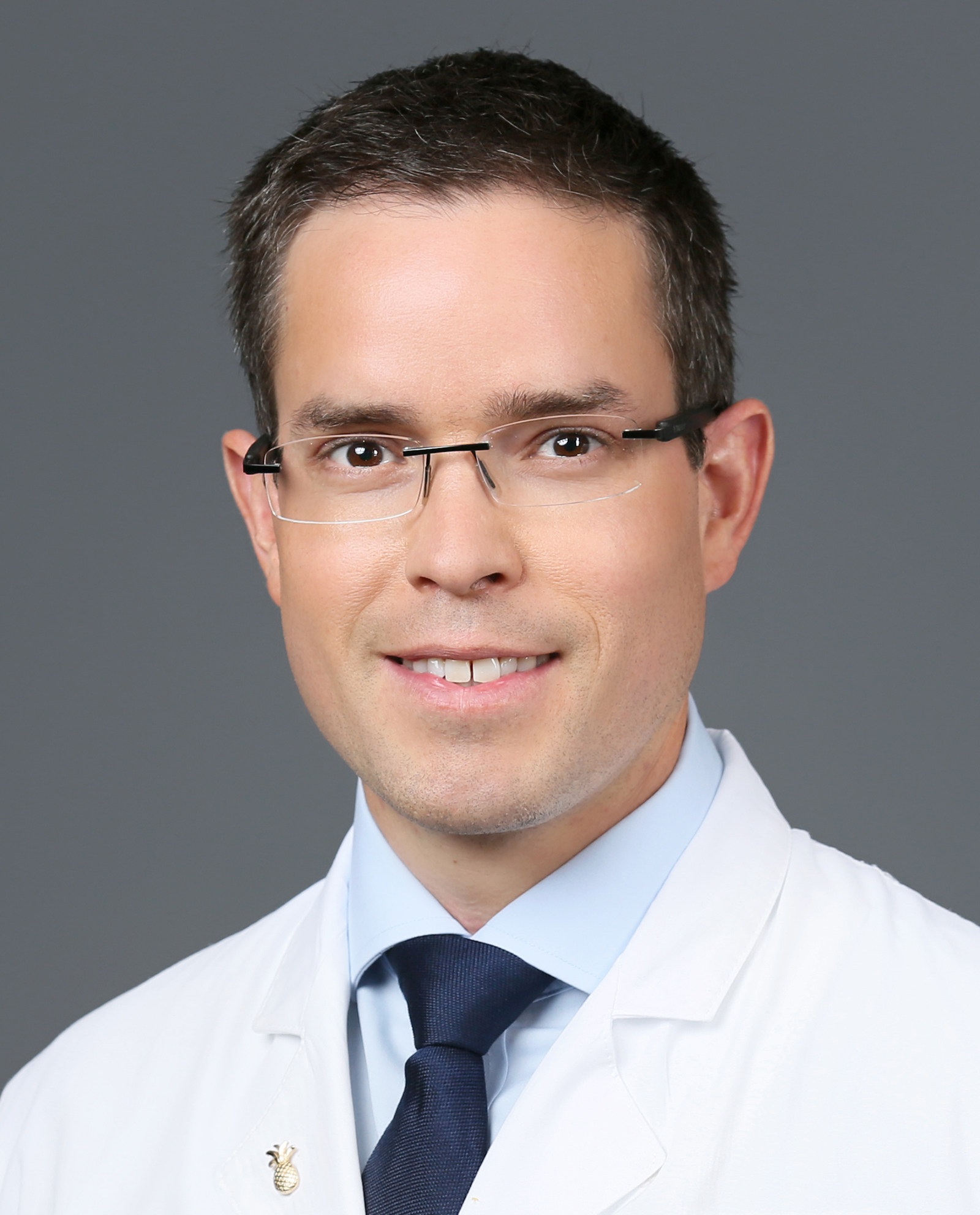
Ian Del Conde Pozzi, MD
Persistent Risk Factors Drive a Sobering Reality
A major concern for healthcare professionals is the high prevalence of risk factors that contribute to heart disease. Conditions like high blood pressure, diabetes and obesity continue to affect a large portion of the U.S. population.
- High Blood Pressure: Roughly 125.9 million U.S. adults (47.3%) have hypertension.
- Diabetes: Nearly 29.5 million U.S. adults have been diagnosed with diabetes, while an estimated 115.9 million have prediabetes.
- Obesity: Approximately 50% of U.S. adults live with obesity or severe obesity.
“These health conditions that contribute to stroke and to overall cardiovascular disease continue to be worrisome,” says Ian Del Conde, M.D., a cardiologist with Baptist Health Miami Cardiac & Vascular Institute. “The growing prevalence of these issues drives the risk for not just heart attacks but also a spectrum of related problems, including heart failure and kidney disease.”
This interconnectedness of health conditions has led to the recognition of cardiovascular-kidney-metabolic (CKM) syndrome. This disorder links heart disease, kidney disease, diabetes and obesity. Data shows that nearly 90% of U.S. adults have some level of CKM syndrome, with over 80% of young and middle-aged adults already showing early risk.
Innovation Is Key to Better Outcomes
To combat the persistent threat of heart disease, healthcare systems are investing in innovation and advanced care. At Baptist Health, this includes the expansion of comprehensive programs and the use of cutting-edge technology.
“Innovation remains a cornerstone of our program at Miami Cardiac & Vascular Institute,” Dr. Nguyen states. “We’re a leader in robotic and minimally invasive cardiac surgery, offering advanced coronary bypass and valve procedures designed to promote faster recovery and fewer complications.”
This focus on technology extends to prevention and early diagnosis. Artificial intelligence (AI) and advanced imaging help doctors identify risks more precisely and proactively before serious complications arise.
Another major development is the establishment of the Center for Aortic Care, a 24/7 multidisciplinary program for treating complex aortic disease. This center brings together surgeons, cardiologists and imaging specialists to provide coordinated care for some of the most challenging cardiovascular conditions.
These advancements are critical in a growing region like South Florida. By expanding high-risk cardiology clinics and opening new ambulatory surgery centers, organizations like Baptist Health are making advanced care more accessible, reducing hospital stays and lowering the overall cost of care for patients.
Prevention Is Your Most Powerful Tool
While medical innovation provides powerful treatments, experts agree that prevention is the most effective strategy for saving lives. As many as 80% of heart disease and stroke events are preventable through lifestyle changes and management of chronic health conditions.
The American Heart Association’s “Life’s Essential 8” provides a roadmap for better cardiovascular health. It includes four health behaviors and four health factors:
Behaviors:
- Eat better
- Be more active
- Quit tobacco
- Get healthy sleep
Factors:
- Manage weight
- Control cholesterol
- Manage blood sugar
- Manage blood pressure
“Adhering to these eight measures can dramatically reduce the overall burden of cardiovascular disease,” explains Dr. Del Conde. “Simple changes can lead to significant improvements in long-term health. And it’s never too late to start.”
Studies show that individuals with ideal cardiovascular health have a 74% lower risk of cardiovascular events compared to those with poor cardiovascular health. Unfortunately, adherence to these guidelines remains low. Diet scores are the poorest among adults and youth, and only about one in four adults meet national physical activity guidelines.
A Call to Action for Your Heart Health
The latest statistics serve as a critical reminder. While we have made significant strides, heart disease is still a formidable opponent. The slight dip in mortality rates is encouraging, but the high prevalence of risk factors like hypertension and diabetes signals a need for continued vigilance.
“As South Florida continues to grow, Baptist Health Heart & Vascular Care remains focused on building a future-ready cardiovascular network of care — delivering exceptional care today while advancing the science of heart and vascular medicine for tomorrow,” says Dr. Nguyen.
For individuals, the message is clear. Your heart is in your hands. That means taking control of your cardiovascular health by adopting a healthier lifestyle and working with your healthcare provider to manage your risk factors.
One way to understand your personal risk of developing heart disease is to get a heart scan. In just 30 minutes, a non-invasive CT scan can uncover risks you didn’t even know existed. Talk to your doctor and see if a heart scan is right for you. Visit BaptistHealth.net/HeartScan or call 833-596-2473 to find out more.