In a phase 2b trial, the highest dose produced an estimated 12% mean weight reduction vs 1% with placebo, although gastrointestinal adverse events were common.
Researchers analyzed UK Biobank data to determine whether spending sedentary time in prolonged vs interrupted bouts was associated with subsequent cancer incidence and cancer mortality.
A nationwide Swedish cohort found a higher relative risk of anterior ischemic optic neuropathy among GLP-1 receptor agonist users, but the overall risks were low.
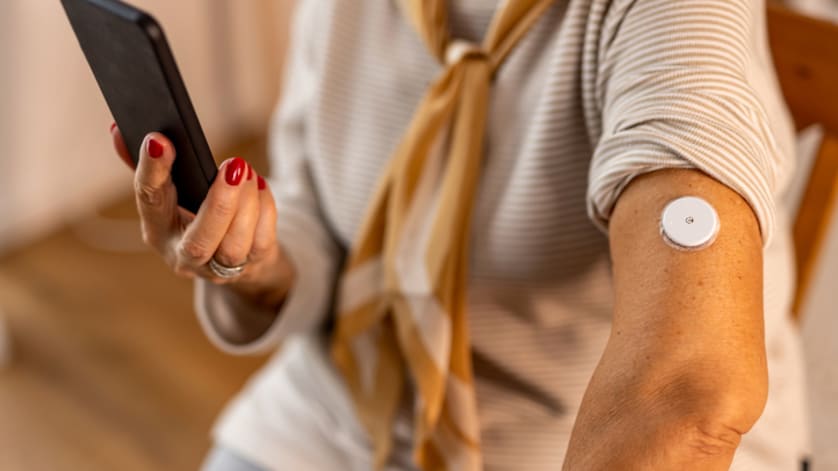
In a randomized crossover trial of insulin-treated patients receiving hemodialysis, real-time continuous glucose monitoring did not improve the primary hypoglycemia outcome but increased time in range and reduced time above range vs capillary testing.
Conexiant
Daily News
Stay up to date with the latest clinical headlines and other information tailored to your specialty.

Thank you for signing up for the Daily News alerts. You will begin receiving them shortly.
From breathier speech to breastfeeding history, metamaterial eye coils, and antifibrotic GLP-1 effects in mice, this week’s studies remind us that the most interesting signal is often hiding somewhere clinicians were not looking.
In an observational US target trial emulation, glucagon-like peptide-1 receptor agonist initiation was associated with about 3 to 4 more ischemic optic neuropathy cases per 10,000 patients over 18 months than two comparator drug classes.
Single-nucleus sequencing of menstrual fluid identified epithelial gene signatures and prioritized five candidate biomarkers that warrant validation in larger studies.
In a pooled analysis of two randomized crossover trials, reducing nightly sleep by about 1.5 hours for 6 weeks was associated with modest increases in body weight and waist circumference without measurable changes in body composition.
A large BRFSS analysis points to persistent screening disparities among sexual orientation and gender identity minority respondents, with particularly large gaps in some gender identity minority groups.