

Ulnar collateral ligament (UCL) injury of the elbow — once considered career-ending for overhead athletes — is now a highly treatable condition with predictable return-to-play outcomes. Yet the surgical strategy is no longer one-size-fits-all.
“Tommy John surgery has become part of the public lexicon,” says Derek Papp, M.D., orthopedic sports medicine physician and orthopedic surgeon with Baptist Health Orthopedic Care. “But what most people don’t realize is how much the procedure has evolved — and how much more nuanced our decision-making has become.”
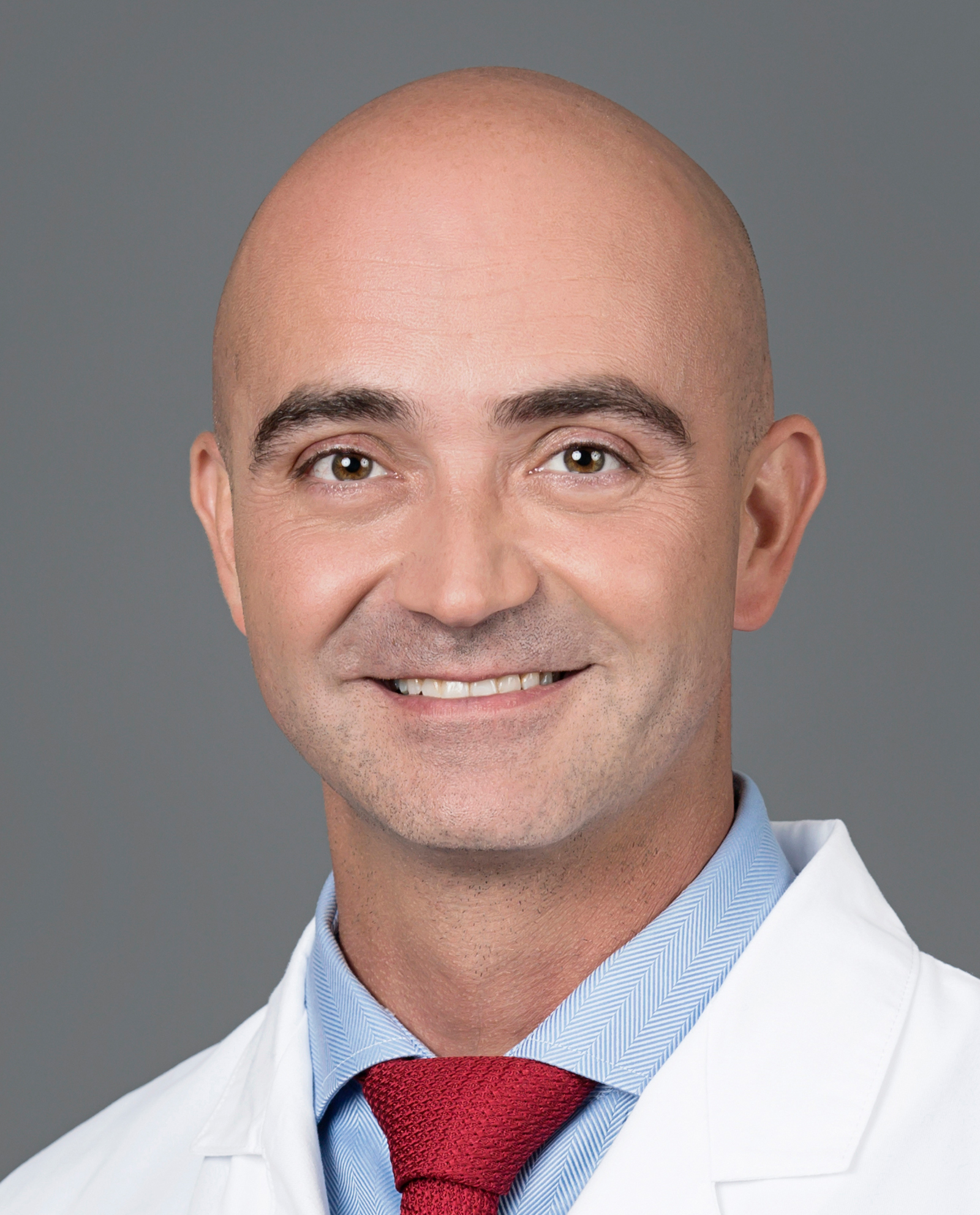
Derek Papp, M.D.,
Today, UCL management requires careful assessment of tear pattern, tissue quality and athlete demands, with options that include primary repair, reconstruction or hybrid augmentation.
From Reconstruction to Individualized Care
The original UCL reconstruction, first performed in 1974, utilized a figure-of-eight tendon graft and required detachment of the flexor-pronator mass. Modern techniques have significantly refined the approach.
“We’ve moved from a fairly invasive surgery with routine nerve transposition to muscle-splitting approaches and more selective nerve management,” Dr. Papp explains. “The goal is to preserve tissue, minimize complications and optimize recovery.”
Contemporary reconstruction techniques — particularly docking methods — have improved biomechanical stability and outcomes. Return-to-play (RTP) rates now approach 85 to 90 percent in appropriately selected athletes.
Reconstruction is no longer the only option, however.
Revisiting UCL Repair: A Targeted Solution
Early attempts at UCL repair yielded inferior results compared to reconstruction, leading many surgeons to abandon the approach. Advances in fixation technology and improved injury characterization have prompted renewed interest.
“Not every UCL tear is the same,” Dr. Papp says. “If you have a proximal or distal avulsion in a younger athlete with good tissue quality, repair with internal brace augmentation can be an excellent option.”
Modern repair techniques use collagen-dipped suture tape constructs — often referred to as an internal brace — to reinforce the repaired ligament.
Clinical data suggest:
- Return-to-play rates exceeding 90 percent
- Accelerated rehabilitation timelines
- Mean return at approximately seven months
“The key is selecting the right patient,” Dr. Papp notes. “Repair is not for chronic attritional tears or midsubstance degeneration. But in the right setting, it can allow a faster and reliable return.”
Hybrid Reconstruction: Combining Strength and Biology
A more recent evolution involves combining traditional tendon graft reconstruction with internal brace augmentation.
“This hybrid technique essentially sandwiches the native ligament and graft with an internal brace,” Dr. Papp explains. “It adds early stability while the graft incorporates.”
Biomechanically, internal brace augmentation reduces gap formation and increases construct stiffness. Early clinical reports suggest return-to-play timelines of approximately nine to ten months — potentially earlier than traditional reconstruction.
While long-term data are still maturing, hybrid approaches may offer advantages for elite throwers requiring maximal stability during rehabilitation.
Surgical Decision-Making: Pattern-Based Algorithms
Determining whether to perform repair or reconstruction depends on several clinical variables:
Favoring Repair
- Acute proximal or distal avulsion
- Good tissue quality
- Younger athlete population
- No significant ligament degeneration
Favoring Reconstruction
- Chronic injury
- Midsubstance tear
- Attritional degeneration
- Revision cases
- Poor tissue integrity
“High-level throwing athletes place tremendous valgus stress on the elbow,” Dr. Papp says. “You have to match the procedure to the biology of the injury.”
Imaging, including MRI, combined with careful physical examination and assessment of athlete goals, informs this decision-making process.
Ulnar Nerve Management: A Shift in Philosophy
Historically, routine ulnar nerve transposition was performed during reconstruction due to early complications seen in the original cases. Modern practice favors selective management.
“We no longer move the nerve unless there are clear preoperative symptoms,” Dr. Papp explains. “Routine transposition can actually increase postoperative nerve complaints.”
This more conservative approach has reduced complication rates and improved postoperative comfort.
The Rehabilitation Question
Rehabilitation timelines differ significantly between repair and reconstruction.
- Repair with internal brace: Often allows accelerated progression and earlier return
- Reconstruction: Typically, 12 to 18 months before full competitive return
“Recovery isn’t just about ligament healing,” Dr. Papp says. “It’s about restoring mechanics, strength and neuromuscular control. That requires a coordinated multidisciplinary approach.”
Sports medicine physicians, physical therapists, athletic trainers and strength coaches all play critical roles in successful return-to-play.
Looking Ahead: Data and Technology
As with many areas of orthopedics, ongoing refinement of technique is being informed by data and technology.
“We’re collecting more granular data on biomechanics, outcomes and rehabilitation variables than ever before,” Dr. Papp says. “The future will likely involve even more individualized surgical planning.”
Artificial intelligence and machine learning may eventually assist in predicting outcomes based on injury pattern, surgical construct and rehabilitation variables — though clinical validation remains essential.
“At the end of the day, the metric that matters most is patient outcome,” Dr. Papp emphasizes. “Return to sport safely, restore function and protect long-term joint health.”
Practical Takeaways for Referring Physicians
- Not all UCL tears require reconstruction; injury pattern matters.
- Primary repair with internal brace may offer faster return in select athletes.
- Chronic degenerative tears still favor reconstruction.
- Selective ulnar nerve management reduces complications.
- Early referral allows for timely evaluation and broader surgical options.