Turns out biology tracks more than we thought — from a spit test that reads your all-nighter to a surgical outcome that still shows up in household chores two decades later. Plus: habits aren't built gradually. They snap.
A gene variant that raises GLP-1 levels somehow makes GLP-1 drugs work worse. Plus: why your nose might still recover two years out, and what urine might eventually tell us about schizophrenia.
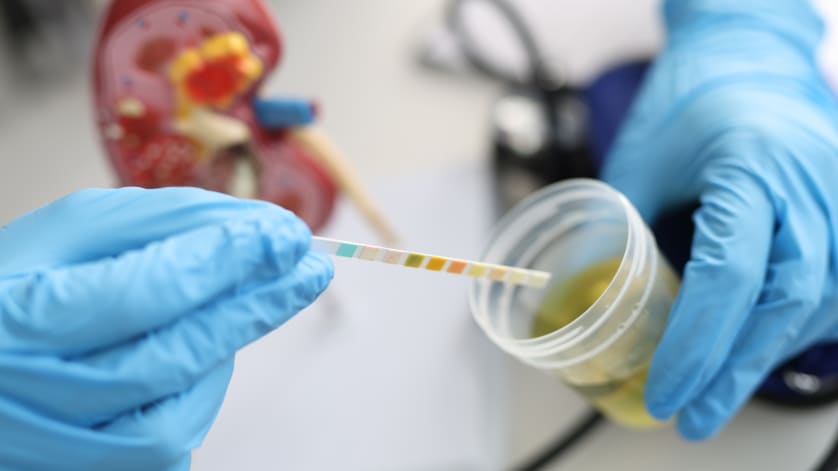
Genetically predicted urinary metabolite levels were associated with schizophrenia, bipolar disorder, attention-deficit/hyperactivity disorder, and anorexia nervosa in a Mendelian randomization analysis.
National survey data suggest overlapping chronic health and social needs are associated with higher rates of illness-related missed school days among US children.
Chemsex at the pharmacy counter. Gut bacteria tracking helmet impacts. PMD predicting psychiatric illness bidirectionally. This week's research keeps landing in the same uncomfortable place: medicine is improvising.
Swedish study finds two-way associations between premenstrual disorders and psychiatric conditions, with strongest links involving depression, anxiety, attention-deficit/hyperactivity disorder, bipolar disorder, and personality disorders.