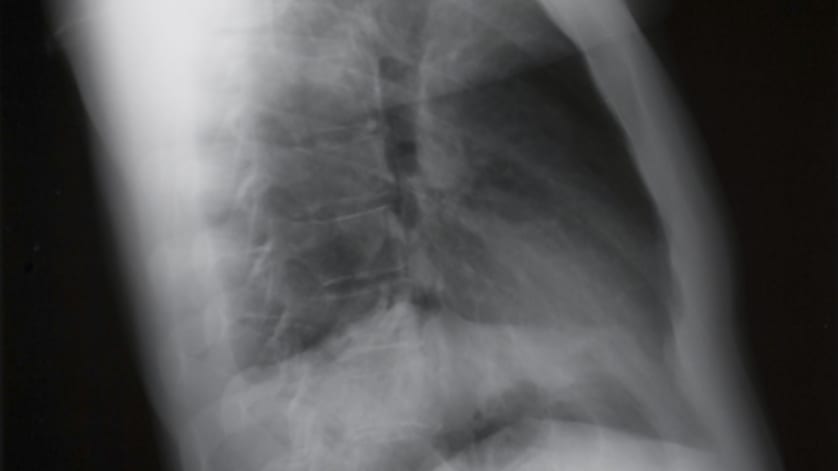
A structured reporting tool improved report completeness, reduced classification errors, and achieved high physician adoption during routine lung cancer pathology reporting.
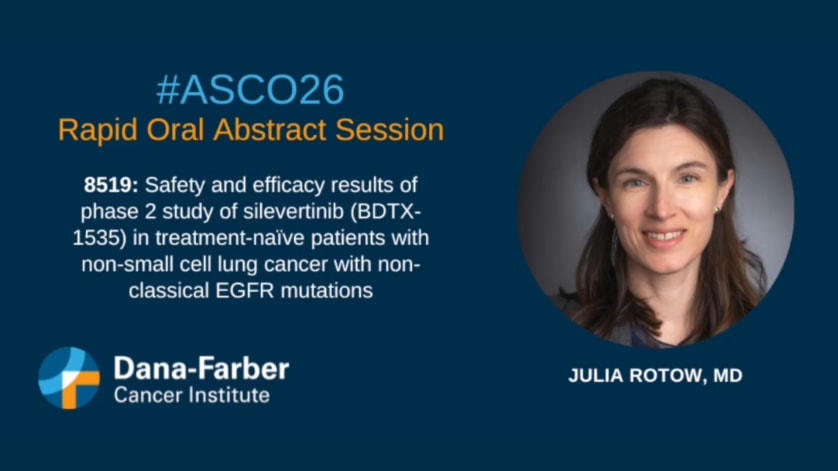
Dana-Farber Cancer Institute's Dr. Julia Rotow reported on a study looking at silevertinib, with data showing it may offer a new first-line option for hard-to-treat EGFR non-small cell lung cancer variants, with encouraging brain activity and manageable side effects.
Researchers found larger biological age gaps in more recent birth cohorts and observed associations with higher risk of several cancers diagnosed before age 55.
Misako Nagasaka, MD, PhD shared how precision oncology has fundamentally shifted the landscape through the identification of actionable genomic targets for lung cancer treatment.
Plasma proteomic models of more than 40 cell types were associated with incident Alzheimer's disease, amyotrophic lateral sclerosis, cancer, and mortality across three large cohorts.
Federal prosecutors allege that a Florida physician and research staff fabricated clinical trial records that were submitted into database systems used to evaluate investigational drugs.
Akeso’s PD-1/VEGF bispecific beats PD-1 plus chemo in lung cancer, Amgen wins EC approval for its DLL3-targeted T-cell engager, and Aragen scales Renaissance’s Fast Track anti-GD2 antibody
Analysis of England’s multicancer early detection screening trial found modest, temporary diagnostic delays in participating regions, adding to concerns about health system effects and the evidence base for population-level blood-based cancer screening.